Rising Temperatures Won’t Significantly Impact Modern Electric Vehicle Battery Life, Study Finds
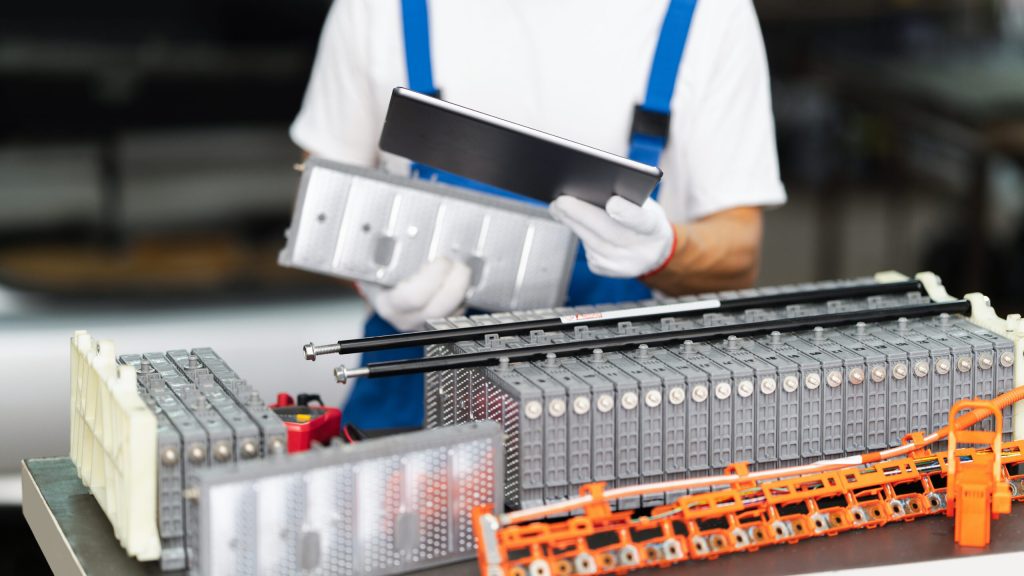
Electric vehicle adoption continues to face resistance from consumers concerned about battery longevity and reliability. Many potential buyers remain hesitant to transition from traditional gasoline engines due to fears about how long EV batteries will last. However, recent technological developments have dramatically improved battery performance compared to early electric vehicle models.
Initial generations of electric vehicles experienced notable battery degradation similar to consumer electronics powered by lithium-ion technology. Today’s EV batteries incorporate sophisticated management systems and liquid cooling technology that significantly reduce performance decline. Current battery systems typically experience no more than 2 percent annual range reduction, a substantial improvement over earlier models.
Recent research from the University of Michigan examined how global warming might affect electric vehicle battery performance and longevity. Scientists investigated whether rising global temperatures would accelerate battery aging processes, considering that extreme heat above 40 degrees Celsius can damage battery components and trigger harmful chemical reactions.
Technology Advances Outweigh Climate Concerns
The research team, led by Haochi Wu who is now at Stanford University, analyzed battery performance under various climate scenarios. They compared older battery technology from 2010-2018 with newer systems developed between 2019-2023 to measure technological improvements.
Their findings reveal that modern battery advances more than compensate for potential climate-related degradation. Even under extreme warming scenarios of 4 degrees Celsius, newer battery technology maintains its performance advantages. Older battery systems with current median lifespans of 15 years would decrease to approximately 12 years under severe warming conditions. In contrast, modern batteries maintaining 17-year median lifespans should retain similar longevity even under challenging climate conditions.
Geographic Impact Varies by Technology
The study analyzed battery performance across 300 global cities, revealing significant regional differences based on technology generation. Older battery systems showed greater vulnerability in lower-income nations, with potential lifespan reductions of 25 percent in Africa, Southeast Asia, and India compared to 15 percent decreases in Europe and North America.
Modern battery technology demonstrates much more consistent performance across different climates and economic regions. Advanced systems would experience only 4 percent lifespan reduction in challenging environments while maintaining stability in temperate climates.
Consumer Confidence and Market Reality
Despite these technological improvements, consumer awareness remains limited. Many potential EV buyers continue expressing durability concerns based on outdated information about early battery technology. The research suggests these fears are increasingly unfounded given current technological capabilities.
The study’s findings assume widespread adoption of advanced battery technology across all markets, though real-world implementation may vary based on economic factors and infrastructure development. Additional variables such as charging network reliability and overall vehicle durability could influence actual performance outcomes in warming climates.
This research adds to growing evidence that modern electric vehicles offer reliable, long-lasting transportation alternatives to traditional combustion engines, even accounting for future climate challenges.