The Reverse-Creaming Method: Your Key to Incredibly Tender Cakes
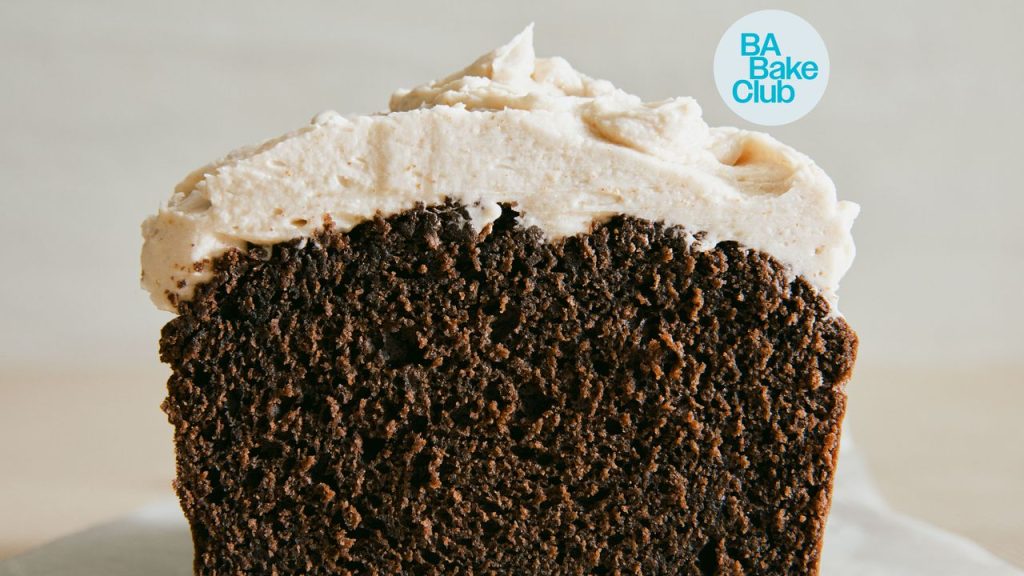
Professional bakers have long relied on a technique that transforms ordinary cake batter into something extraordinary. This method, known as reverse-creaming, produces cakes with an unmatched tender crumb and velvety texture that surpasses traditional mixing approaches.
Unlike conventional cake-making where butter and sugar are creamed together first, reverse-creaming flips this process entirely. The technique begins by combining dry ingredients with softened butter, creating a flour-coated fat mixture before gradually incorporating wet ingredients.
Understanding the Science Behind Reverse-Creaming
The magic of this method lies in how it controls gluten development. When flour meets butter before liquid ingredients are added, the fat creates a protective coating around flour proteins. This barrier prevents excessive gluten formation, which is the primary culprit behind tough, dense cakes.
Traditional creaming methods can lead to overmixing once flour is added, resulting in a chewy texture. Reverse-creaming eliminates this risk by ensuring gluten strands remain short and delicate throughout the mixing process.
Step-by-Step Reverse-Creaming Technique
Begin by combining all dry ingredients in your mixing bowl, including flour, sugar, baking powder, and salt. Add softened butter in pieces and mix on low speed until the mixture resembles coarse breadcrumbs with some larger butter pieces remaining.
In a separate container, whisk together all liquid ingredients such as eggs, milk, vanilla, and any other extracts. Gradually add this wet mixture to the flour-butter combination in two or three additions, mixing just until combined after each addition.
Achieving Perfect Results
Temperature control proves crucial for success with this method. Butter should be properly softened but not melted, while liquid ingredients work best at room temperature to ensure smooth incorporation.
The final batter will appear different from traditionally mixed cake batter, often seeming less smooth or uniform. This appearance is completely normal and indicates the method is working correctly.
Best Applications for Reverse-Creaming
This technique works exceptionally well for layer cakes, sheet cakes, and any recipe where maximum tenderness is desired. Vanilla cakes, chocolate cakes, and fruit-flavored varieties all benefit from this approach.
Many commercial bakeries rely exclusively on reverse-creaming for their signature cakes, as it consistently produces professional-quality results with minimal risk of overmixing or texture problems.