Alternative Oil Routes Through Arabian Peninsula Could Mitigate Energy Price Pressures
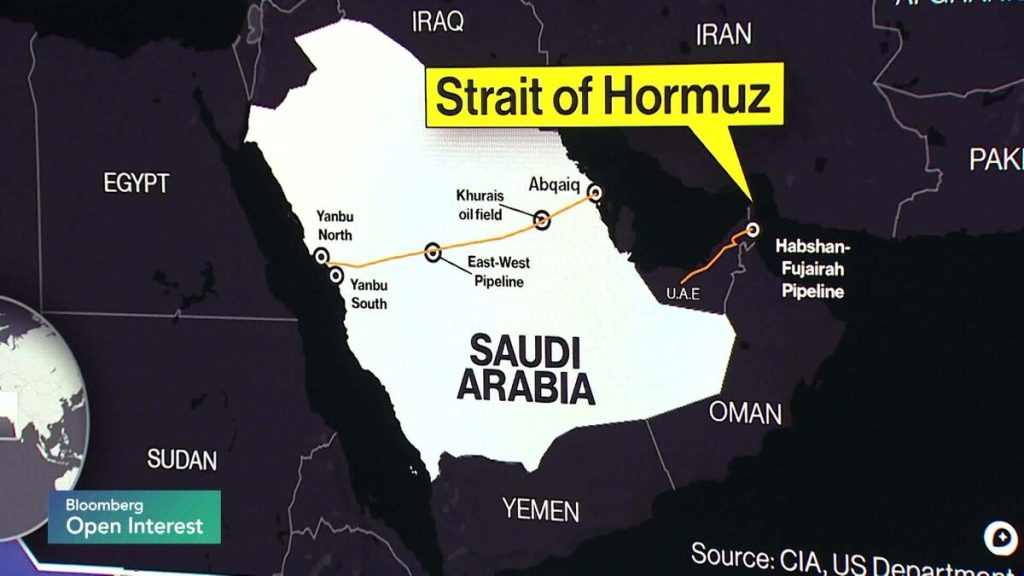
Energy infrastructure across the Arabian Peninsula offers potential solutions for circumventing geopolitical tensions that threaten global oil supplies, according to market analysis. Two key pipeline systems could serve as crucial alternatives to traditional shipping routes through volatile maritime chokepoints.
The East-West pipeline network spanning Saudi Arabia’s territory, combined with pipeline infrastructure operated by the United Arab Emirates, presents viable pathways for delivering crude oil to international markets without relying on the Strait of Hormuz passage.
These alternative transportation corridors could play a significant role in stabilizing energy markets during periods of regional instability. By utilizing overland pipeline capacity, oil producers can maintain supply flows even when maritime routes face disruption or heightened security concerns.
Market observers suggest that leveraging these existing pipeline networks could help moderate upward pressure on both crude oil prices and retail gasoline costs. The strategic value of such infrastructure becomes particularly apparent during times when traditional shipping lanes through critical waterways face potential interference.
The availability of these alternative routes demonstrates the importance of diversified energy transportation infrastructure in maintaining global supply chain resilience. As geopolitical tensions continue to influence energy markets, the role of pipeline networks in ensuring steady oil flows remains a critical factor for price stability.