Rising Treasury Yields Signal Delayed Federal Reserve Policy Easing Amid Geopolitical Tensions
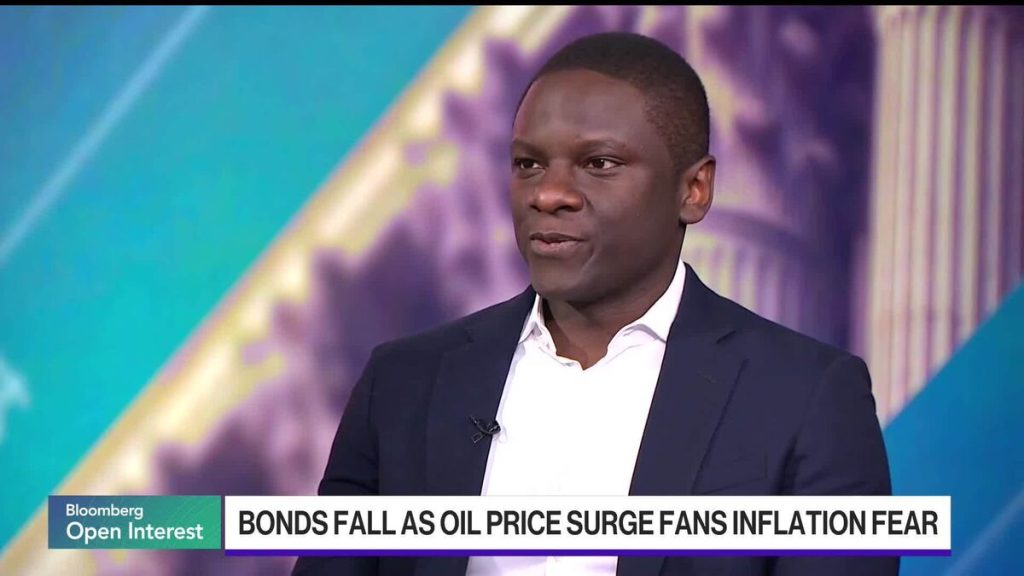
Financial markets are experiencing heightened volatility as geopolitical concerns drive Treasury yields higher, casting doubt on the timeline for potential Federal Reserve interest rate reductions. Market participants are reassessing their expectations for monetary policy easing as regional conflicts threaten to disrupt global economic stability.
According to David Dindi, Chief Executive Officer of Atomic Invest, the potential closure of the Strait of Hormuz represents a significant risk factor that could sustain elevated inflation levels. Such a scenario would particularly impact energy markets, creating ripple effects throughout the broader economy and complicating the Federal Reserve’s monetary policy decisions.
The strategic waterway serves as a critical passage for global oil shipments, and any disruption to its operations could send energy prices soaring. This development would present a challenging environment for central bank policymakers who have been monitoring inflation trends closely while considering future rate adjustments.
Should the current geopolitical tensions persist longer than market participants currently anticipate, the resulting energy price volatility could force the Federal Reserve to maintain its current restrictive monetary stance. This would represent a significant shift from previous market expectations of potential rate cuts in the near term.
The intersection of geopolitical risk and monetary policy highlights the complex challenges facing investors and policymakers as they navigate an increasingly uncertain global landscape. Energy price fluctuations remain a key variable in inflation calculations, making regional stability crucial for economic forecasting and policy planning.