United Airlines Chief Executive Reports Robust Global Travel Demand Despite Middle East Tensions
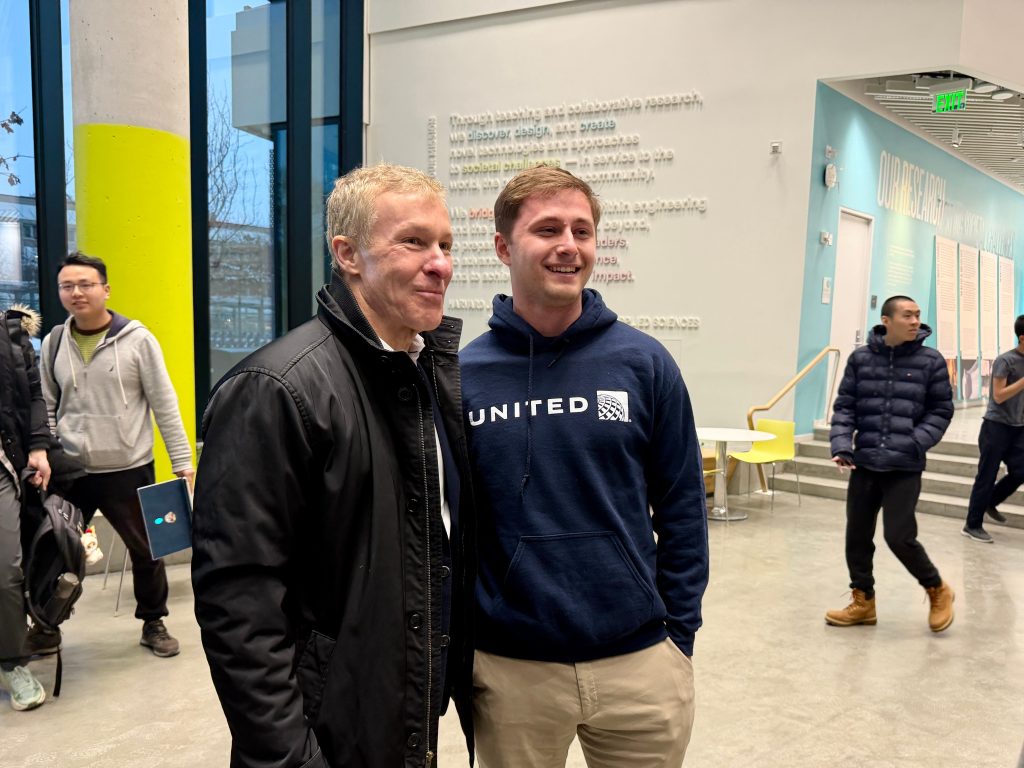
Despite escalating conflicts in the Middle East and rising oil prices, global travel demand continues to show remarkable strength, according to United Airlines Chief Executive Scott Kirby during a recent interview.
Speaking to reporters following his appearance at Harvard School of Engineering and Applied Sciences in Boston, Kirby emphasized that passenger demand has maintained its momentum without any signs of decline. He revealed that booked revenue has increased by more than 20% since the previous Saturday, demonstrating the aviation industry’s resilience amid geopolitical uncertainty.
European Routes Lead Recovery Efforts
The airline executive highlighted that European destinations have emerged as the strongest performers in terms of booking activity since the regional conflict intensified. Both business and leisure travelers continue to maintain their travel plans, with some routes experiencing additional demand due to passengers seeking alternative routing options away from affected areas.
This sustained travel appetite reflects a broader pattern of consumer resilience that Kirby expects to persist even if the Middle East situation continues for an extended period, potentially leading to prolonged increases in fuel costs.
Fuel Price Impact on Operations
The conflict has created significant disruptions to global oil markets, with prices surging more than 30% within a week to approach $88 per barrel. The situation has been exacerbated by the effective closure of the Strait of Hormuz, a critical shipping route for over 14 million barrels of oil daily.
Processed jet fuel costs have experienced an even sharper increase, rising 58% to $3.95 per gallon according to industry indices. Kirby described this as the most substantial jet fuel price increase he has witnessed in his career, acknowledging it will have a meaningful impact on airline financial performance.
To manage these increased operational costs, airlines are expected to pass some expenses to consumers through higher ticket prices, a process that Kirby indicated would likely begin promptly.
Operational Adjustments and New Travel Patterns
While United operates relatively few routes directly to the Middle East, minimizing immediate operational disruption, the airline is coordinating with the U.S. State Department regarding potential assistance in repatriating American citizens from the Gulf region.
An unexpected development has been a dramatic surge in bookings from travelers seeking to fly from Australia to Europe. Traditionally, these passengers would transit through Persian Gulf hub airports, but current airspace restrictions have forced them to seek alternative routes. Kirby noted that United now books over 1,000 such passengers daily, compared to less than one per day in the previous year.
More than 25,000 flights have been cancelled since the conflict began, contributing to the reshuffling of global travel patterns.
Summer Travel Outlook
Looking ahead to the critical summer travel season, Kirby indicated that advance bookings remain aligned with expectations. However, he emphasized focusing on shorter-term booking trends within the next 60 days, which typically provide more accurate insights into current market conditions.
While declining to specify how much price increase consumers might tolerate before reducing travel demand, the United CEO expressed confidence in the overall economic environment, suggesting it remains stronger than many observers believe.
The aviation industry awaits more detailed financial and operational impact assessments, which are expected to be disclosed at the upcoming JP Morgan Industrials conference in two weeks, where airline executives will provide comprehensive updates on how the Middle East situation affects their business operations.